
“Choosing the Right Aluminium Chequered Plate Grade Improves Safety, Durability, and Long-Term Performance.”
When sourcing from an experienced Aluminium Chequered Plate Stockist in India , the focus should not only be on pricing but on grade selection, surface pattern consistency, thickness accuracy, and long-term performance in real working conditions. Aluminium chequered plates—also known as tread plates or diamond plates—are widely used in industrial flooring, transportation platforms, stair treads, and marine structures where slip resistance and corrosion protection are essential.
Because these plates are frequently installed in high-traffic or load-bearing areas, choosing the right alloy grade plays a direct role in durability, safety compliance, and fabrication efficiency. A dependable stockist ensures traceable material supply, dimensional precision, and availability across commonly used industrial grades.
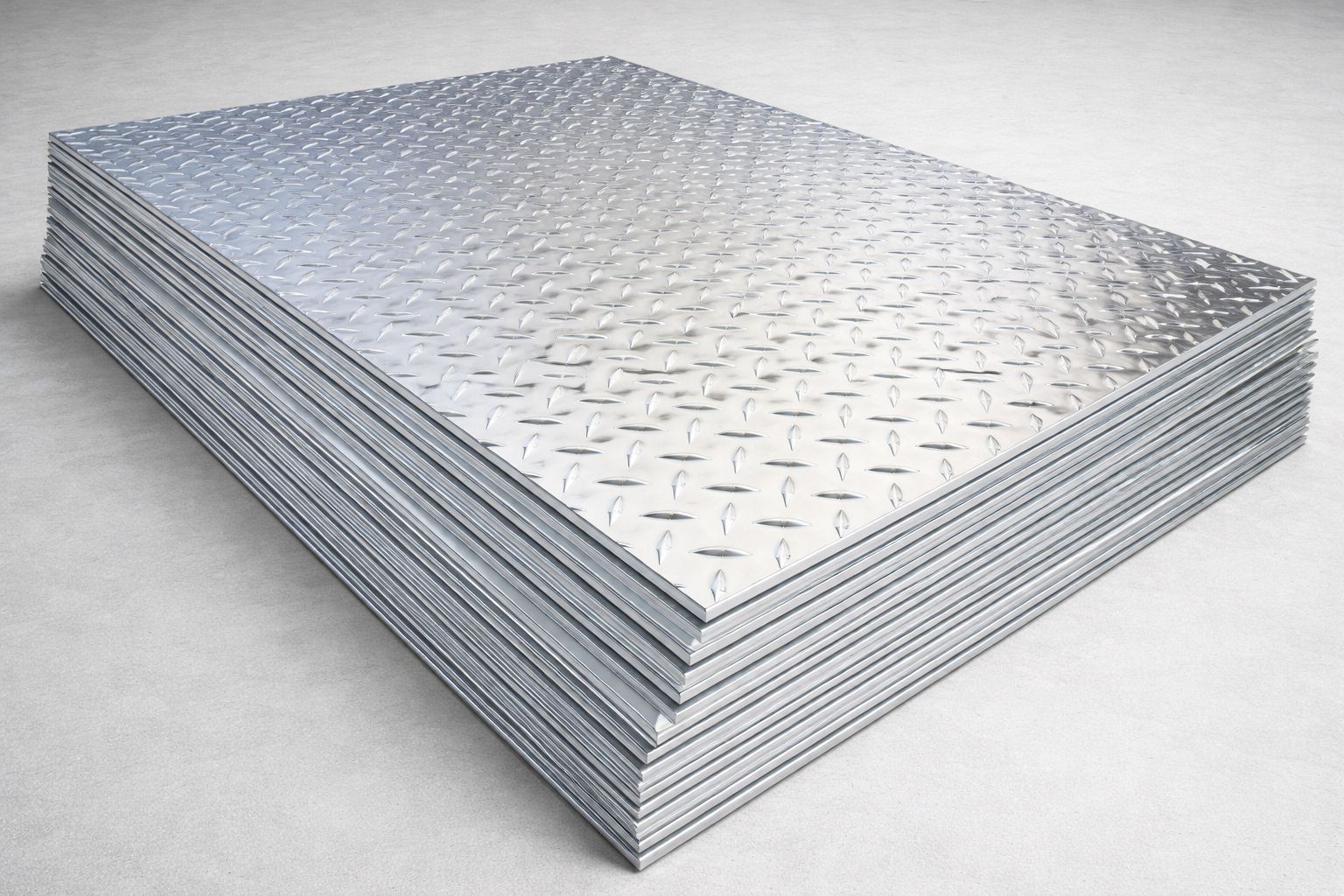
Why Choosing the Right Aluminium Chequered Plate Supplier Matters
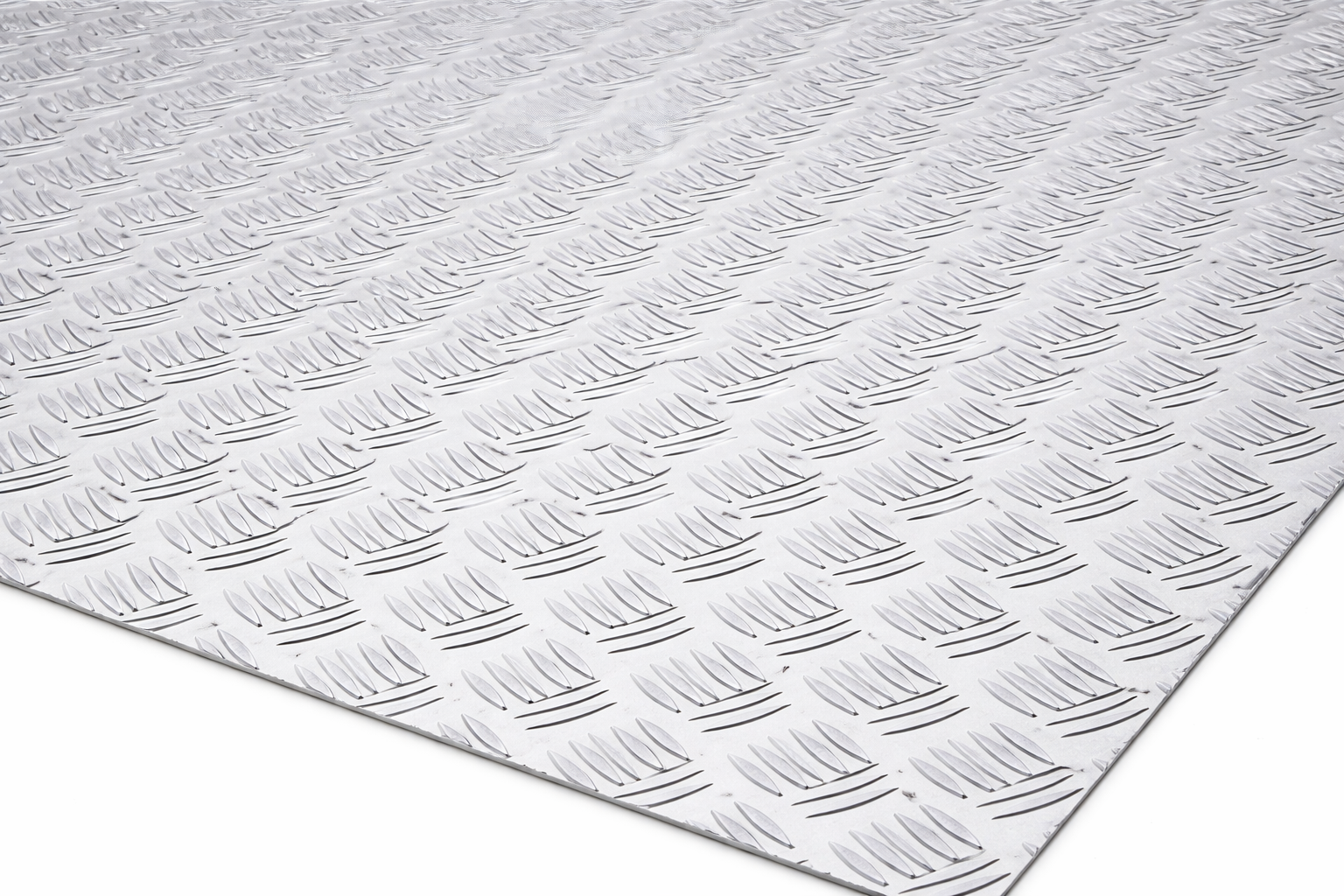
Aluminium chequered plates are engineered with raised patterns—typically 5-bar, diamond, or tread designs—to enhance grip and reduce the risk of slipping in operational environments. Unlike plain sheets, the patterned surface improves traction, making them suitable for ramps, walkways, truck flooring, and industrial platforms.
A reliable supplier understands that different applications require different alloys. For example, plates used in coastal or marine environments must offer strong corrosion resistance, while those used in transport vehicles must balance strength with weight efficiency. Selecting a knowledgeable stockist ensures that the material supplied aligns with mechanical requirements, fabrication methods, and environmental exposure conditions.
What Is an Aluminium Chequered Plate and Where Is It Used?
An aluminium chequered plate is a flat aluminium sheet featuring a raised surface pattern rolled during manufacturing. The raised design improves anti-skid performance while maintaining the lightweight and corrosion-resistant properties of aluminium.
Aluminium is preferred over traditional steel for many flooring and structural applications because it offers:
- Excellent corrosion resistance due to its natural oxide layer
- Lower weight compared to steel, improving transport efficiency
- Good formability and weldability in suitable grades
- Reduced maintenance requirements in outdoor conditions
These characteristics make aluminium chequered plates suitable for both structural and safety-oriented installations.
Their versatility makes them essential in both general engineering and high-performance industrial sectors.
How to Choose the Right Aluminium Chequered Plate for Your Application
Selecting the correct aluminium chequered plate depends on operational requirements and environmental exposure. For environments exposed to moisture, chemicals, or coastal air, corrosion-resistant alloys such as 5052 and 5754 are commonly specified due to their enhanced resistance to marine atmospheres. These grades are widely used in shipbuilding, offshore platforms, and transport equipment.
For general industrial flooring and fabrication work, grades such as 3003 and 3105 are frequently chosen because of their good formability and moderate strength. They are easy to fabricate, bend, and weld, making them practical for ramps, platforms, and interior industrial installations.
When lightweight packaging or insulation cladding is required, 8011 aluminium chequered plates are often used due to their workability and adaptability. In cases where branded or certified material preference is necessary, products such as Virgo aluminium chequered plates are selected to meet specific procurement standards.
Thickness, temper condition, and surface pattern type should also be evaluated before procurement. A professional stockist provides guidance based on structural load, fabrication method, and intended application.
Available Aluminium Chequered Plate Grades
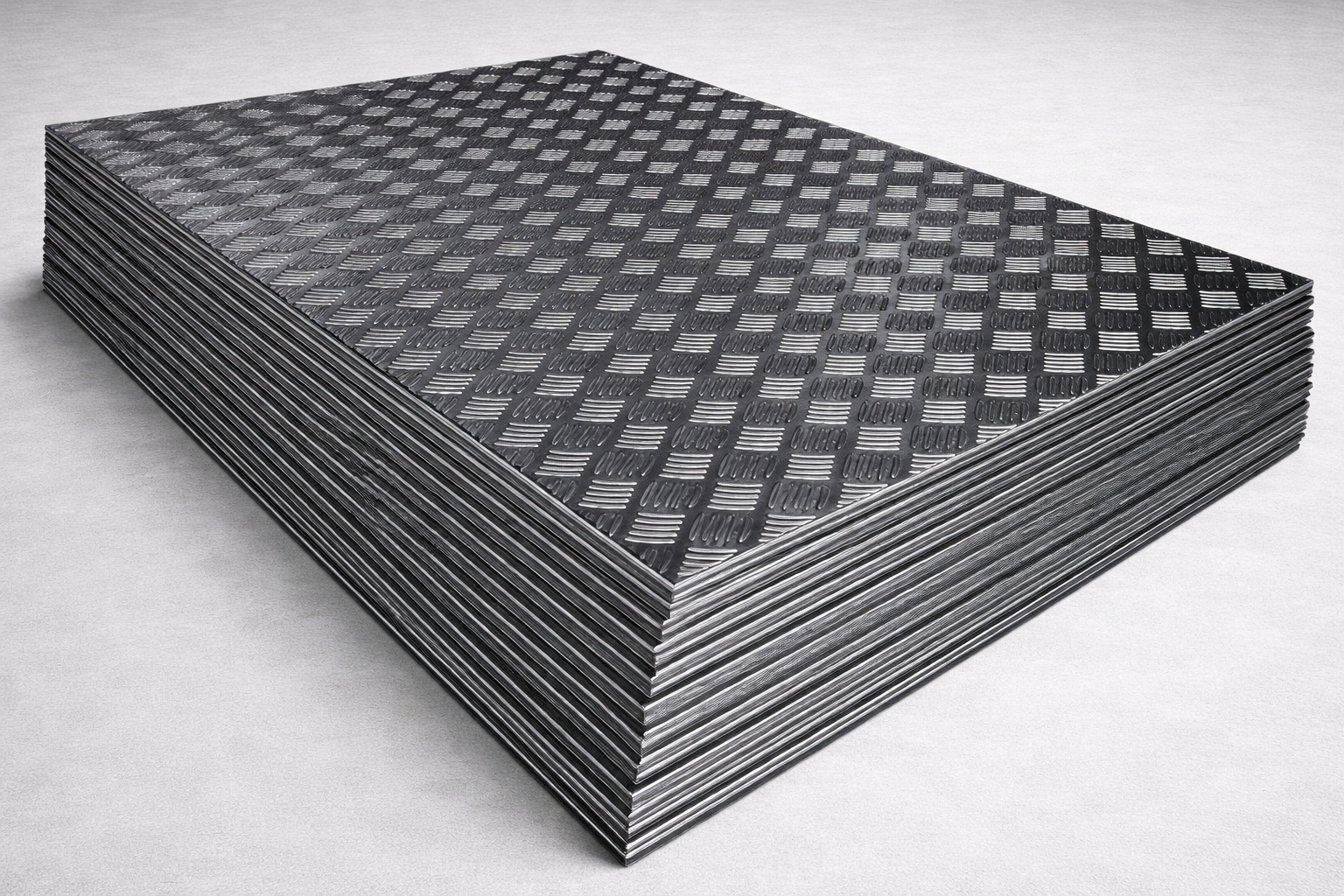
A trusted Aluminium Chequered Plate Stockist in India maintains ready stock of multiple grades to meet varied industrial requirements. Commonly supplied options include:
Each of these grades offers distinct mechanical and corrosion-resistance characteristics suited to specific applications, from structural flooring to marine installations.
Common Applications of Aluminium Chequered Plates
Aluminium chequered plates are widely installed in areas where slip resistance and durability are critical. In transportation industries, they are used for truck body flooring, loading ramps, and bus flooring panels. In industrial facilities, they serve as stair treads, factory walkways, mezzanine platforms, and warehouse flooring systems.
Marine environments frequently utilize corrosion-resistant grades for deck surfaces and gangways. Construction and infrastructure projects also incorporate chequered plates in access platforms, maintenance walkways, and safety flooring structures. Because aluminium combines strength with reduced weight, it enhances structural efficiency while minimizing overall load.
Industries That Regularly Use Aluminium Chequered Plates
Multiple industries depend on aluminium chequered plates for safety and structural reliability. The construction sector uses them for access systems, stair treads, ramps, and industrial flooring. Marine and shipbuilding industries specify corrosion-resistant alloys for decks, walkways, and offshore structures. Automotive and transportation manufacturers incorporate them into vehicle flooring, cargo areas, and loading platforms.
Oil and gas facilities, warehousing operations, and manufacturing plants also rely on chequered plates for safe movement in high-traffic zones. Their resistance to corrosion and ability to withstand repeated use make them a practical solution across demanding industrial environments.
What to Look for in an Aluminium Chequered Plate Stockist in India
Selecting the right stockist ensures consistency in material quality and supply reliability. Buyers should verify that the supplier maintains adequate inventory across key grades and thicknesses. Surface pattern uniformity, dimensional tolerance accuracy, and proper packaging standards are equally important.
A professional stockist typically offers cut-to-size services, documentation for material traceability, and technical support for grade selection. Ensuring compliance with applicable standards and confirming the suitability of the alloy for the intended application reduces long-term operational risks.
FAQs –
-
Q1. What is aluminium chequered plate mainly used for?
It is primarily used for anti-slip flooring, ramps, stair treads, transport vehicle flooring, and marine deck applications. -
Q2. Which grade is suitable for marine environments?
Grades such as 5052 and 5754 are commonly selected for marine or high-moisture environments due to their corrosion resistance. -
Q3. Are aluminium chequered plates corrosion resistant?
Yes. Aluminium naturally forms a protective oxide layer that provides resistance to corrosion in many environments. -
Q4. Can aluminium chequered plates be welded?
Yes, many commonly used grades such as 3003 and 5052 offer good weldability when proper procedures are followed. -
Q5. What thicknesses are typically available?
Thickness availability varies by supplier, but industrial stockists generally offer multiple standard thicknesses suitable for flooring and structural applications.
Final Thoughts Before You Source Aluminium Chequered Plates
Choosing a dependable Aluminium Chequered Plate Stockist in India ensures that safety, structural performance, and long-term durability are not compromised. With multiple grades available—including 3105, 3003, 5754, 5052, 8011, and branded Virgo aluminium chequered plates—buyers must align alloy properties with operational requirements.
A well-informed sourcing decision improves installation reliability, fabrication efficiency, and lifecycle performance. By prioritizing grade suitability, dimensional accuracy, and supplier credibility, industries can ensure that their aluminium chequered plate investment delivers consistent value over time.